Tundra Grey Marble: Cold Elegance of Nature
Tundra Grey marble is one of the elegant and sophisticated members of the natural stone world, named after the cold and mysterious nature of the tundra, one of the most challenging climate regions on earth. This marble, which reflects the fine nuances of grey tones and the calm rhythm of nature on the stone surface, receives great appreciation in both classical and modern applications in the world of architecture and interior design.
Physical Properties
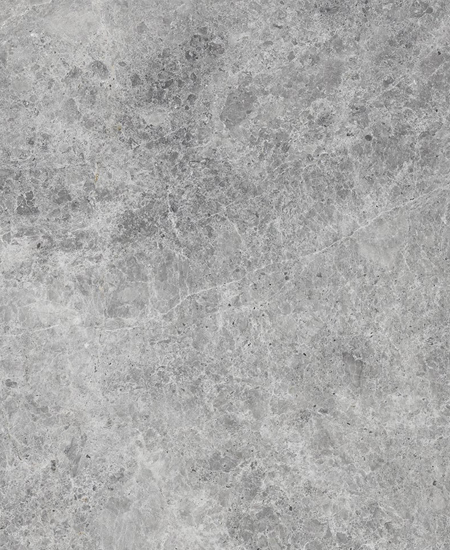
- Color and Pattern: As the name suggests, Tundra Grey is a marble dominated by grey tones. It contains darker grey, black, and sometimes barely visible white veins on a background color that varies from light grey to medium grey. These veins generally exhibit a cloudy and wavy appearance rather than linear, reminiscent of clouds in a winter sky.
- Density: It has an average density of 2.65-2.75 g/cm³, placing it at a standard marble density.
- Water Absorption Rate: It has a low-medium water absorption rate (0.20-0.35%), therefore requiring a good protective application.
- Compressive Strength: It shows good level of compressive strength (110-140 MPa) and provides sufficient durability for general use.
- Wear Resistance: It offers medium level wear resistance, making it suitable for use in areas with medium traffic density.
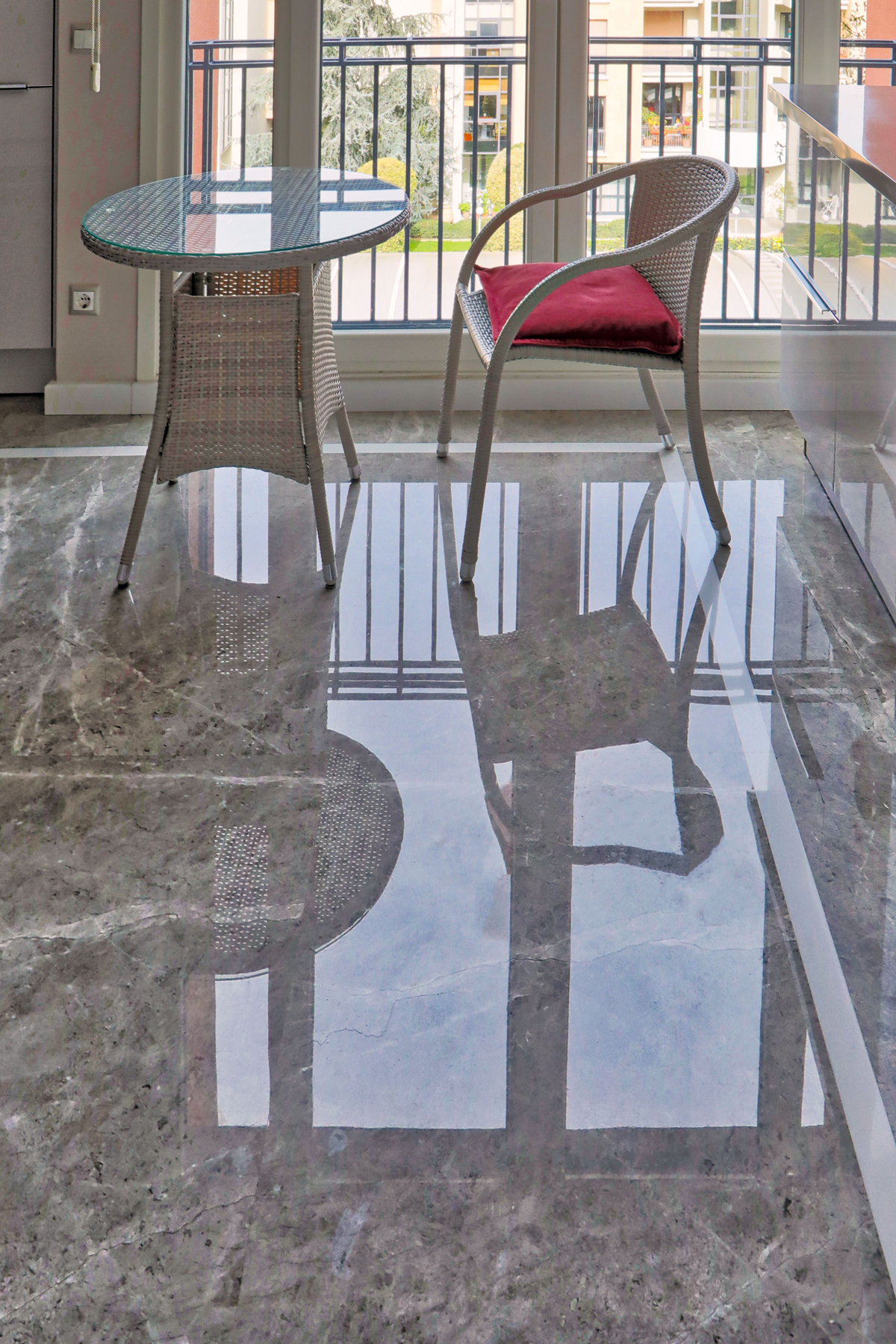
- Polishability: Both glossy and matte (honed) surface finishes are possible with its good polishability property. Especially the matte surface treatment highlights the natural beauty and depth of Tundra Grey.
Technical Properties
- Mohs Hardness Scale: Between 3-4
- Flexural Strength: 10-14 MPa
- Freeze-Thaw Resistance: Medium-good
- Thermal Conductivity: 2.2-2.6 W/mK
- Chemical Composition: Predominantly calcium carbonate (CaCO₃) and other minerals
Geological Origin and Formation
Tundra Grey marble is geologically a metamorphic rock of limestone origin. It was formed by the metamorphism of calcium carbonate sediments and remains of marine organisms that accumulated on the seafloor millions of years ago, under high pressure and heat over time. The proportion of different minerals and organic materials it contains has been the determinant of its grey tones and pattern density. The formation of veins as a result of tectonic movements and mineralogical transformations have revealed the characteristic cloudy pattern structure of Tundra Grey.
Geographical Origin
The main extraction regions of Tundra Grey marble are:
- Turkey: High-quality Tundra Grey marble extracted especially from quarries in Muğla and Afyon regions is exported to the world market in significant quantities.
- Iran: Quarries in the mountainous areas of northern and northwestern Iran produce high-quality Tundra Grey variations.
- China: Similar grey marbles extracted from quarries in Fujian and Guangxi regions of China hold an important place in the international market.
- Italy: Marbles in grey tones similar to Tundra Grey are extracted in the Carrara region of Italy.
Areas of Use
Interior Applications
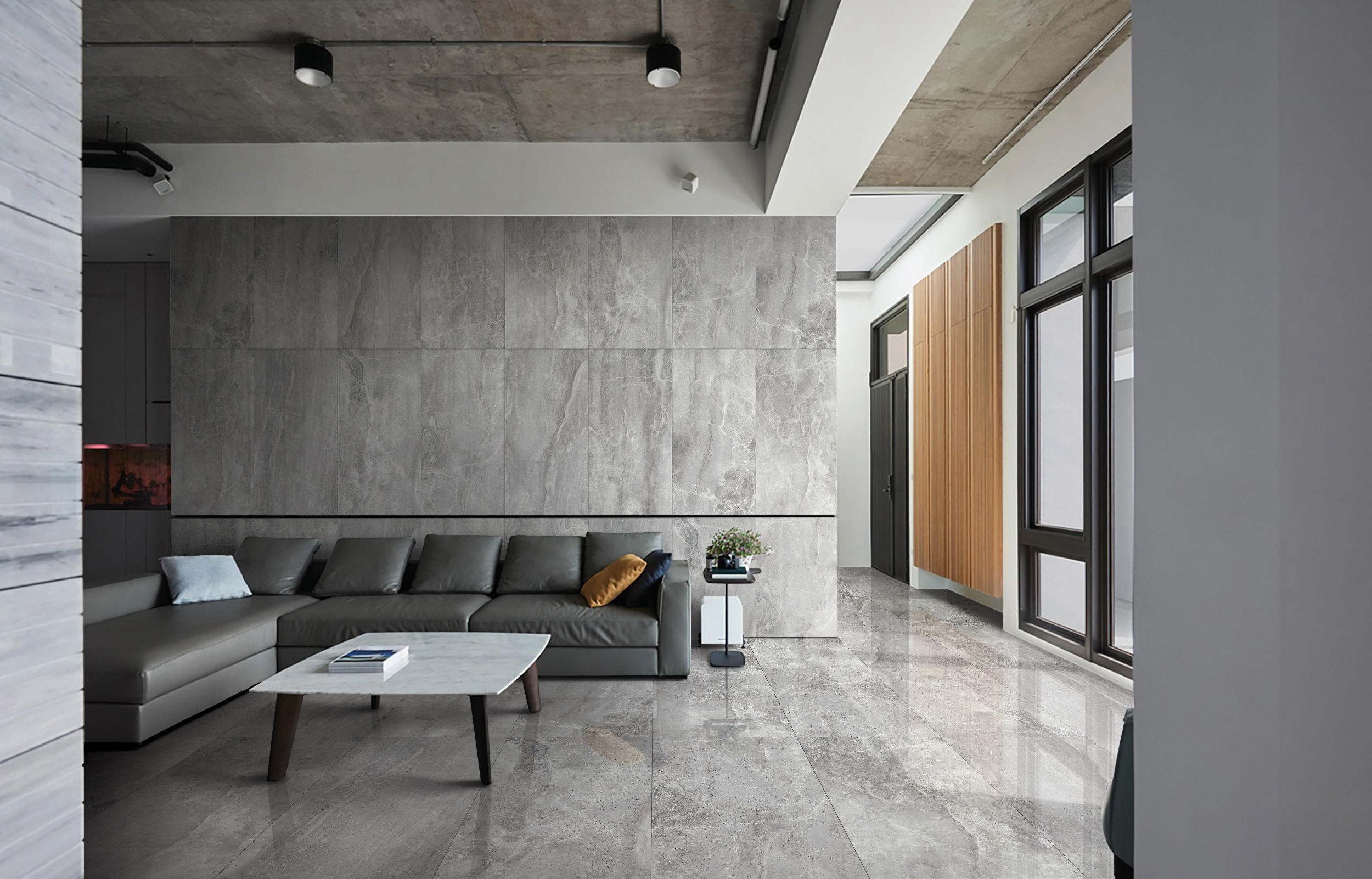
- Floor Coverings: Provides an elegant appearance when used as floor covering in hotel lobbies, shopping centers, luxury residences, and business centers. It is particularly impressive when applied in large format slabs.
- Wall Coverings: Adds a sophisticated atmosphere to the space when used as wall covering in both commercial and residential projects. Wall panels applied with the book-match (mirror image) technique give particularly striking results.
- Bathroom Applications: Creates a modern and stylish ambiance when used as wall covering, shower cabin, bathtub surround, and vanity countertop in luxury bathrooms.
- Kitchen Countertops: Perfectly matches with white, black, or wooden cabinets and adds an elegant air to kitchens.
- Stair Steps: Emphasizes architectural details by creating a contrasting effect in light-colored spaces.
Use in Commercial and Corporate Areas
- Corporate Lobbies and Receptions: Creates a professional and elegant first impression in corporate headquarters and institutional buildings.
- Hotels and Accommodation Facilities: Creates a calm and peaceful atmosphere in luxury hotel lobbies, restaurants, and spa areas.
- Restaurants and Dining Areas: Creates a sophisticated ambiance as flooring, wall covering, and bar counter in elegant restaurants.
- Retail Stores: Creates a perception of modern and refined space especially in luxury fashion, jewelry, and design stores.
Exterior Applications
- Building Facades: Its weather-resistant versions can be used in exterior cladding of modern buildings.
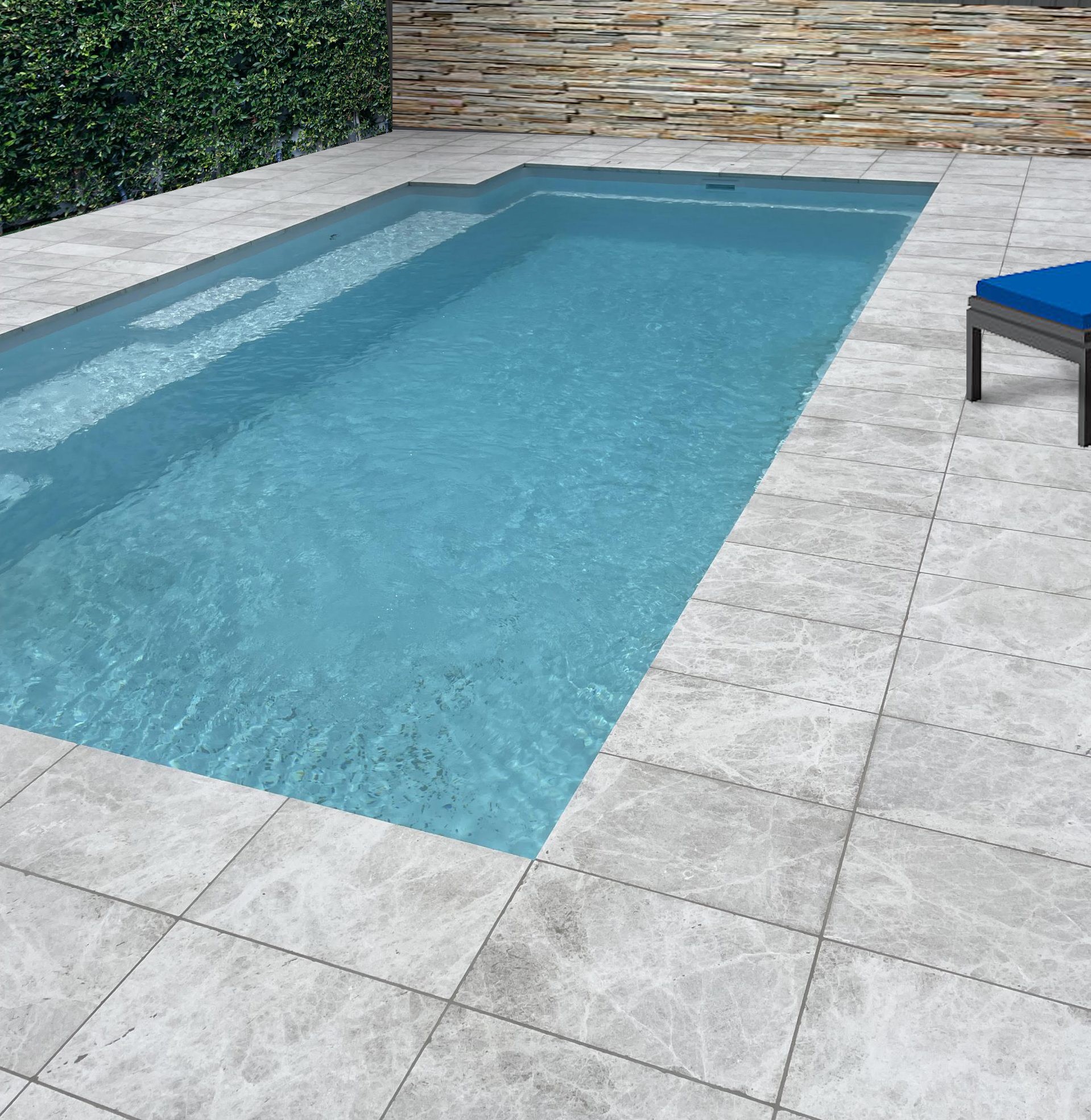
- Landscape Elements: Provides a stylish appearance in garden walls, walking paths, fountains, and decorative outdoor elements.
Decorative and Artistic Use
- Table and Coffee Table Tops: Adds a sophisticated touch to the space when used in custom design furniture.
- Decorative Accessories: Used in making stylish vases, candle holders, book organizers, and similar decorative objects.
- Artistic Panels: Wall panels prepared especially with the book-match technique create an appearance almost like a work of art.
Design Trends and Application Techniques
- Large Format Applications: With the advancement of technology, larger marble slabs can be produced, allowing for fewer joints and a more holistic appearance.
- Matte Surface (Honed Finish): In recent years, matte surface finishes have become trendy instead of glossiness. The matte surface of Tundra Grey offers a more modern and contemporary look.
- Contrast Combinations: Tundra Grey creates striking contrasts when used in combination with materials such as white, black, or wood.
- Book-Matching: Symmetrical patterns are obtained by placing consecutive marble slices side by side to create a mirror image, which gives impressive results especially in wall panels.
- Mix & Match: Dynamic and interesting surfaces are created by using marbles of different grey tones together.
Maintenance and Protection
To preserve the beauty and durability of Tundra Grey marble:
- Should be cleaned regularly with pH neutral, non-abrasive cleaning materials.
- Should be protected from acidic substances (lemon, vinegar, wine, fruit juices), and spilled acidic liquids should be cleaned immediately.
- Should be coated with special marble protective and stain-preventive products every 12-18 months.
- Coasters and protectors should be used to prevent scratching.
- Regular protective maintenance and recoating should be done in exterior applications.
Economic Value and Market Situation
Tundra Grey marble is in the mid-upper price segment in the marble market. Factors such as block quality, vein structure, color consistency, and size affect the price. It is preferred in luxury residential projects, boutique hotels, and high-end commercial spaces due to its stylish and elegant appearance.
Main export markets include North America, European Union countries, Middle East, and Asian countries. It has gained popularity especially in Scandinavia and Northern Europe due to its compatibility with minimalist and modern design understanding.
Sustainability Aspects
Sustainability is becoming increasingly important in the natural stone industry. In Tundra Grey production:
- Modern, energy-efficient cutting technologies are used.
- Quarry rehabilitation programs are implemented.
- Waste management and recycling studies are conducted.
- Marble waste is utilized as terrazzo production, aggregate, and filling material.
Tundra Grey marble offers an elegant, balanced, and calm aesthetic whether used in classical or modern spaces. With the rich nuances of grey tones and cloudy patterns, it brings the mysterious nature of northern countries and the silent splendor of the tundra region to living spaces. This marble, which harmonizes with a wide range from minimalist design understanding to traditional decoration styles, maintains its value as a timeless material for architects and designers.