Sesame
Limestone (Sesame) Stone
Limestone (Sesame) is a natural stone type that is particularly extracted in Turkey and widely used for architectural projects. Below are the most important properties and areas of use of this valuable material.
Physical Properties
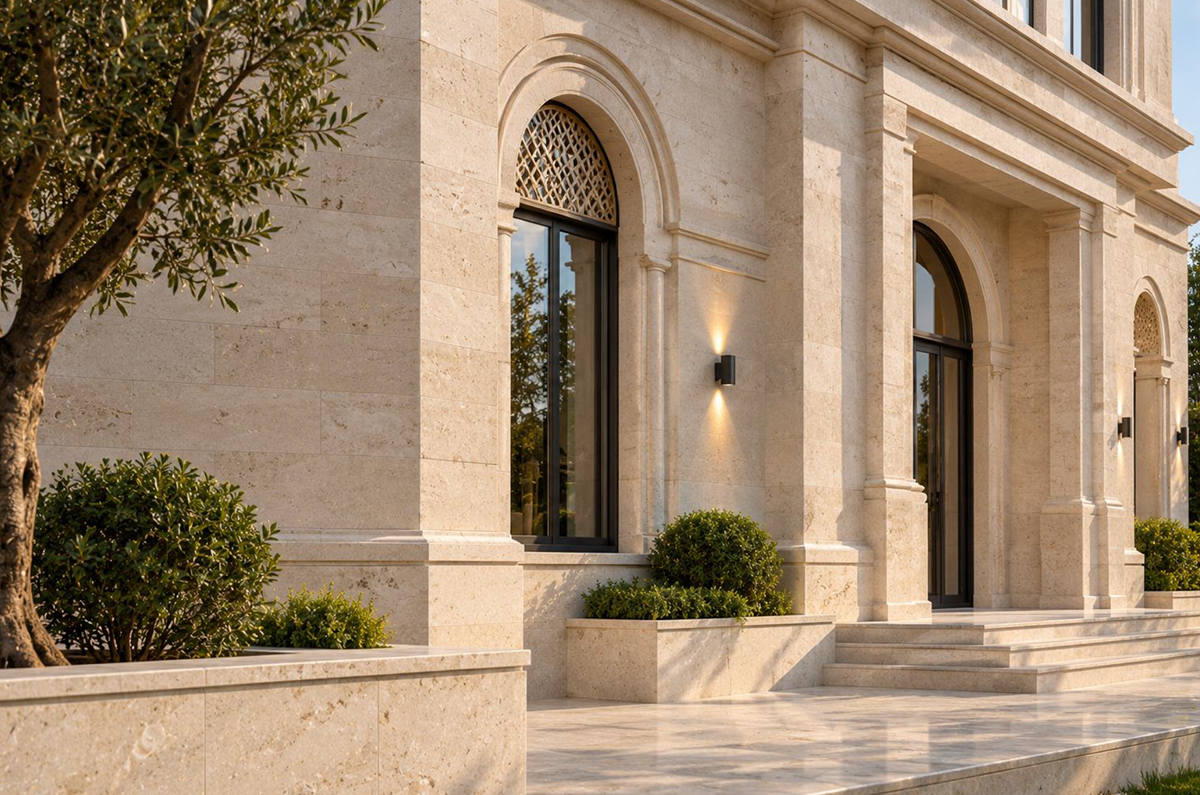
Sesame limestone is recognized by its cream-colored background with yellow spots the size of sesame seeds. This appearance provides an aesthetic integrity in single-piece applications and works in harmony with other design elements.
While Turkish white limestone is known for its pure whiteness, elegance, and attractiveness, it is also an ideal choice for architectural designs with its uniform color. This stone does not absorb heat, but rather reflects it, making it an excellent choice in hot climates.
The main color of limestone, also known as Limra, is pure limra and has a sandy white color. However, minerals of different colors can change the color of limra stone. Some minerals can consist of substances such as clay, sand, iron oxide.
Turkish White Limestone is relatively soft compared to other natural stones, making it easier to cut and shape. However, it is still solid enough to withstand significant wear and tear.
Durability and Performance
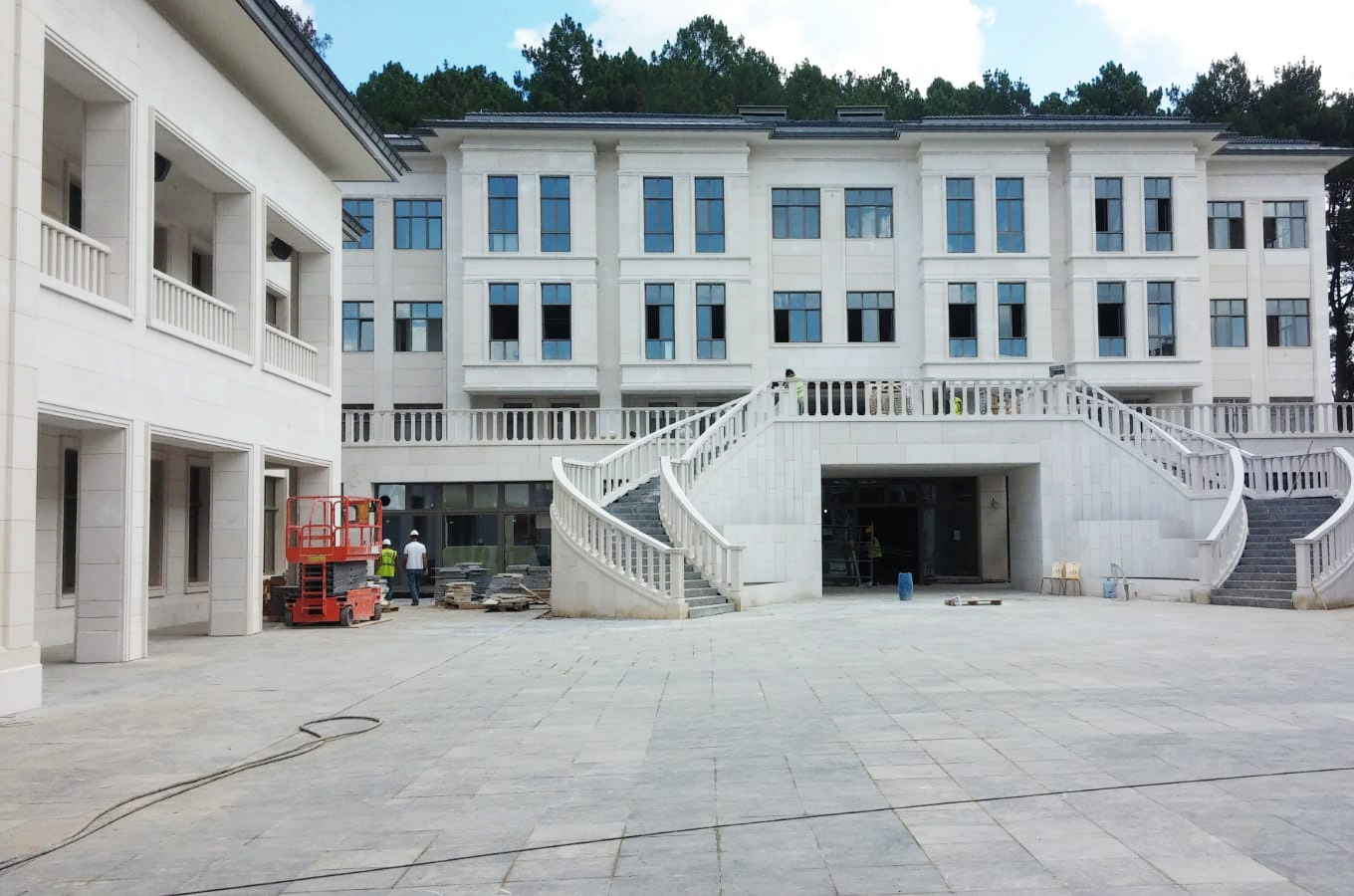
Turkish limestone is preferred in exterior cladding as it does not add weight to structures due to its lightness. With its cottony texture, it adds a unique appearance and freshness to your living spaces.
Turkish White Limestone is quite durable and resistant to weather conditions, making it an ideal material for outdoor applications. Its natural composition allows it to withstand various environmental conditions without losing its aesthetic appeal.
White Sesame Limestone: Characterized by its porous colors and its beauty is appreciated. Victoria Beige: Pressed with cement to become suitable as sandstone. Claudia Plain White Limestone: Stands out with its non-slip properties and high heat resistance.